The Allure of the Mystery
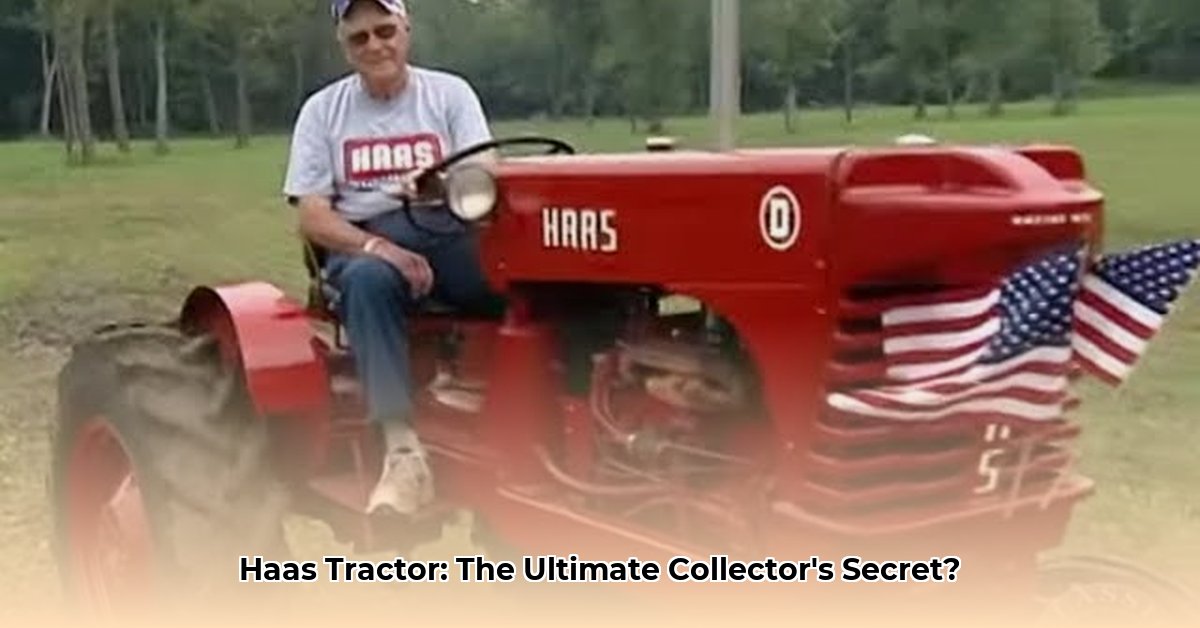
Ever heard of a Haas tractor? For most, the answer is no. These incredibly rare machines, produced in limited numbers between 1949 and 1951, exist more as legend than readily available artifact among vintage tractor collectors. This isn't just another rusty farm implement; the Haas tractor represents a captivating enigma, a piece of agricultural history shrouded in mystery. Their rarity, fueled by unanswered questions about production numbers and the fate of many lost machines, makes discovering one akin to uncovering buried treasure. Finding a Haas tractor transcends simple collecting; it's a journey into the heart of agricultural history, a testament to resilience and ingenuity in a bygone era. This guide serves as your compass, leading you through the complexities of identifying, authenticating, and preserving these elusive gems. For more on rare tractors, check out this site on other rare tractors.
Models A, B, and D: Spotting the Differences
Three main Haas models exist: the A, B, and the more common D. Each presents a unique challenge and reward for collectors. The Model D, particularly, stands out, boasting a live hydraulic system (a system that uses the tractor's hydraulics to power the implements directly) and a three-point hitch (a system that makes it easier to attach and remove implements)- remarkable features for its time. However, even within each model, subtle variations exist – differences in grille design, paint colors, and even the shade of the wheels all tell a story. These minute details, often overlooked, become crucial in authenticating a genuine tractor and assessing its value — a testament to the meticulous craftsmanship and unique history of each machine. The quest for the rarer Models A and B adds another captivating layer to this already enthralling pursuit for collectors.
Authenticating Your Find: A Collector's Checklist
Before you celebrate your potential discovery, verifying authenticity is paramount. This isn't simply admiring a weathered beauty; it's conducting a thorough investigation. This comprehensive checklist ensures rigorous authenticity verification.
Visual Inspection: Begin with a thorough visual examination. Note the engine type (Continental F-140 or the kerosene alternative for Model D, frequently mentioned by collectors), grille design, paint (if original), and wheel style. Even subtle details significantly contribute to authentication. Compare your observations with photographic documentation from known Haas tractors. Does your find align with the established characteristics?
Serial Number Verification: Every Haas tractor should have a serial number, the key to unlocking its identity. Locate the number and record it carefully. Cross-reference it with any existing databases or information from experienced collectors. This step is where the mystery often intensifies, as many tractors lack their original serials.
Historical Documentation: Scour for any surviving documents—sales receipts, owner's manuals, or photographs—that offer historical context. These seemingly minor details could provide invaluable proof of provenance. Even the slightest historical evidence can greatly enhance your machine's value.
Expert Consultation: Don't hesitate to collaborate with experienced Haas collectors or restoration specialists. Their extensive knowledge and experience can provide invaluable insight, helping you navigate the complexities of authentication. They can offer expert opinions and verification of unique features or model-specific characteristics that others may overlook.
Sourcing Parts: The Ongoing Quest
Finding replacement parts for Haas tractors is notoriously challenging. Their rarity makes acquiring parts a significant undertaking. Fortunately, resourceful collectors have developed effective strategies:
Network with Enthusiasts: Online forums and collector clubs are invaluable resources for connecting with other owners and enthusiasts. Information sharing and collaboration are essential in the pursuit of elusive parts.
Salvage Yard Exploration: Old salvage yards, while often unorganized, can surprisingly yield treasures. Patience and persistence are key to unearthing hidden parts.
Embrace 3D Printing: For non-critical components, 3D printing has revolutionized parts sourcing. With accurate measurements and design plans, you can produce replacements that maintain the tractor's historical integrity.
Documenting Your Haas Tractor: Preserving History
Meticulous documentation transcends mere preservation; it’s a commitment to ensuring the legacy of this rare machine. Your efforts contribute significantly to the ongoing research and understanding surrounding this elusive brand.
High-Resolution Photography: Create a comprehensive photographic record. Capture detailed images from all angles, including close-ups of unique features. Thorough documentation ensures that the historical significance of the tractor is accurately preserved.
Detailed Record Keeping: Maintain a meticulous log of all maintenance, repairs, and restoration work. Document dates, materials used, and any challenges encountered. Accurate documentation ensures the tractor’s history is preserved for future generations of enthusiasts.
Historical Research: Attempt to trace the tractor's history. Research land ownership records, local historical societies, and relevant archival information. You may find that you unearth previously unknown details.
The Unanswered Questions: Fueling the Hunt
The enduring mystery surrounding the Haas tractor — its origins, production numbers, even the legend of buried tractors — continues to intrigue collectors. Unanswered questions fuel the passion and dedication. The search itself is a rewarding journey that strengthens the community of collectors. Further research is paramount to filling the gaps in the historical record and providing additional information about the machines' design, production methods, and even the reasons for the brand's sudden disappearance from the market.
Haas Tractor Variations: A Quick Reference Guide
| Model | Year(s) | Notable Features | Estimated Production |
|---|---|---|---|
| A | 1949 | Basic configuration | Very Low |
| B | 1950 | Minor improvements over Model A | Very Low |
| D | 1951 | Live hydraulic system, 3-point hitch | Low |
Owning a Haas tractor is more than collecting; it's participating in a captivating historical narrative. It’s a quest for knowledge, a dedication to preservation, and a testament to the enduring allure of the elusive and the unknown.